
Understanding the psychology behind gambling behavior and decision-making
The Allure of Gambling
The world of gambling is captivating, drawing millions of individuals into its embrace. This attraction can be partly attributed to the thrill and excitement that come with the prospect of winning. Many gamblers experience a rush of adrenaline when placing bets, which can create a strong emotional connection to the activity. This euphoric feeling is often heightened by the unpredictable nature of gambling, where the outcome is uncertain, amplifying the excitement. For those looking to explore this further, visiting a casino site may provide insight into this fascinating realm.

The environment in which gambling occurs also plays a significant role in its allure. Casinos are designed to be visually stimulating, often featuring bright lights, loud noises, and enticing aromas. This sensory overload can create an immersive experience that keeps individuals engaged for extended periods. Celebrity gamblers, with their high stakes and glamorous lifestyles, further glamorize the gambling world, encouraging fans to partake in similar behavior.
The Role of Cognitive Biases
Cognitive biases significantly impact gambling behavior and decision-making. One of the most common biases is the illusion of control, where gamblers believe they can influence the outcome of a game through their actions. This false sense of agency can lead to more frequent gambling, as individuals feel empowered and optimistic about their chances of winning.
Another significant bias is the gambler’s fallacy, where individuals mistakenly believe that past outcomes influence future results. For example, if a player has lost several times in a row, they may think they are “due” for a win. This belief can lead to increased risk-taking and poor decision-making, as gamblers continue to place bets in hopes of reversing their fortunes.
Emotional Factors in Gambling
Emotions play a crucial role in gambling behavior. Many people gamble to escape negative feelings or to enhance positive emotions. For some, gambling serves as a form of entertainment and a way to socialize with friends. However, it can also become a coping mechanism for those dealing with stress, anxiety, or depression, leading to problematic gambling behaviors.
The emotional highs and lows associated with gambling can create a cycle of addiction. Winning can lead to euphoria, while losing can result in despair. This rollercoaster of emotions can trap individuals in a cycle where they chase losses, often leading to increased financial strain and emotional distress. Understanding these emotional triggers is essential for addressing gambling addiction and promoting healthier decision-making.
Social Influences on Gambling Behavior
The influence of peers and societal norms can also shape gambling behavior. In environments where gambling is normalized or celebrated, individuals may feel pressured to participate, whether for social acceptance or competition. Celebrity gamblers often serve as role models, showcasing the glamorous side of gambling and attracting fans to emulate their behaviors.
Social media has further amplified these influences, as people share their gambling experiences online. This sharing can glamorize gambling and make it seem more appealing, potentially leading to increased participation among followers. Recognizing these social pressures is crucial for understanding the broader context of gambling behavior.
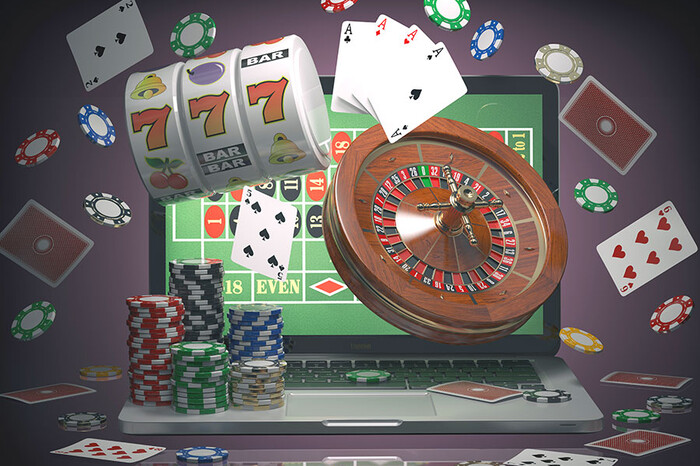
Safe Gambling Practices on Secure Platforms
For those exploring the world of gambling, it is essential to engage in safe practices, especially in online environments. Secure platforms, such as the one provided by northernstars.ca, prioritize user safety, employing advanced security measures to protect personal information and financial transactions. Understanding the psychological aspects of gambling can help individuals make informed decisions when participating in these activities.
Additionally, being aware of one’s gambling behavior and the potential for addiction is crucial. Seeking help or support from organizations specializing in gambling addiction can lead to healthier habits and promote responsible gambling. By recognizing the psychological factors at play, individuals can enjoy the excitement of gambling while minimizing risks to their well-being.