
Understanding the psychology that drives gambling behavior
The Allure of Risk and Reward
The psychology behind gambling behavior is significantly tied to the allure of risk and reward. Many individuals are drawn to the thrill of taking chances, often believing that the potential for a substantial payout outweighs the risks involved. This mindset can be attributed to a phenomenon known as “loss aversion,” where the fear of losing something often motivates people to engage in high-stakes situations. In gambling, the excitement of winning can create a powerful emotional response, encouraging players to chase their losses in hopes of regaining their stakes. Furthermore, players can explore exciting platforms online like https://slot-lounge-ca.online/ for a variety of gaming options.
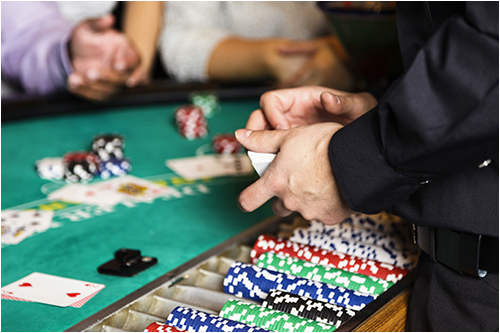
Moreover, the idea of instant gratification plays a pivotal role in the gambling psyche. When players engage in activities like slot machines or poker, the prospect of immediate rewards can be intoxicating. This concept taps into the brain’s reward system, triggering the release of dopamine—the neurotransmitter associated with pleasure. As a result, players may find themselves returning to gambling in pursuit of that euphoric rush, often overlooking the financial implications of their actions.
The combination of risk and reward creates a unique psychological dynamic that can lead to compulsive behavior. For many, the thrill of the game becomes an escape from everyday life, offering a momentary reprieve from stress and anxiety. This emotional high can be addictive, causing individuals to rationalize their gambling habits despite any potential negative consequences, ultimately reinforcing a cycle of behavior that is challenging to break.
Social Influences and Community Dynamics
The social environment surrounding gambling can significantly impact an individual’s behavior. Many people enjoy gambling as a communal activity, where the social aspects enhance the overall experience. Casinos and online gaming platforms foster a sense of camaraderie among players, providing opportunities for shared excitement and encouragement. This social validation often reinforces gambling habits, making players more likely to continue participating in these activities even in the face of losses.
Furthermore, peer pressure can play a crucial role in gambling behavior. Individuals may feel compelled to gamble because their friends or social circles partake in these activities. The desire to fit in or be accepted can lead to impulsive decisions, where people prioritize social belonging over responsible financial management. This phenomenon is particularly evident in online gaming communities, where players often share their successes and experiences, enticing others to join the fray.
Additionally, the impact of social media cannot be underestimated. The proliferation of online platforms allows players to showcase their gambling experiences, which can glamorize the lifestyle and promote a sense of excitement. Influencers and popular personalities sharing their wins can create unrealistic expectations for others, further intensifying the desire to gamble. As individuals observe their peers engaging in these activities, they may feel pressured to participate, reinforcing a cycle of gambling behavior driven by social influence.
Emotional Regulation and Escapism
Many individuals turn to gambling as a means of emotional regulation and escapism. For those grappling with stress, anxiety, or depression, gambling can provide a temporary distraction, allowing them to escape their problems and immerse themselves in the thrill of the game. This coping mechanism can be especially appealing for those seeking to avoid confronting difficult emotions or life situations, leading them to rely on gambling as a form of emotional relief.
Moreover, the anticipation associated with gambling can trigger a rush of excitement that acts as a natural antidote to negative feelings. Players may experience a sense of empowerment when placing bets or winning, which can lead to a temporary boost in self-esteem. This positive reinforcement can be intoxicating, making it easy for individuals to fall into a cycle where gambling becomes a primary source of emotional support, albeit an unhealthy one.
Unfortunately, using gambling as a coping mechanism can lead to detrimental consequences. While it may offer temporary relief, it often results in a greater emotional toll in the long run. As individuals begin to experience losses or financial strain, the initial escape becomes a source of stress and anxiety, potentially exacerbating the very issues they sought to avoid. This cycle can lead to a deeper reliance on gambling, making it increasingly difficult to break free from the behavior.
Understanding Cognitive Biases in Gambling
Cognitive biases play a significant role in shaping gambling behavior. One of the most prevalent is the “illusion of control,” where players believe they have influence over random outcomes. For instance, a gambler might think that their experience or skill in a game of chance can sway the results, leading them to take higher risks than they would otherwise. This bias can create a false sense of confidence, making it easier for individuals to overlook the statistical realities of their gambling activities.
Another common cognitive bias is the “gambler’s fallacy,” where individuals believe that past outcomes influence future events. For example, someone may think that after several losses, a win is more likely, leading them to continue betting in hopes of a turnaround. This flawed logic can perpetuate gambling behavior, driving players to gamble more extensively as they wait for the ‘luck’ to change. Such misconceptions often create a cycle of losses, as players remain convinced that a win is just around the corner.
Understanding these cognitive biases is crucial for developing healthier gambling behaviors. By recognizing the psychological traps that can lead to compulsive gambling, individuals can make more informed decisions. Awareness can promote responsible gambling practices, encouraging players to engage in self-reflection and assess their motivations behind their behavior. This understanding can empower individuals to seek help if their gambling starts to negatively impact their lives.
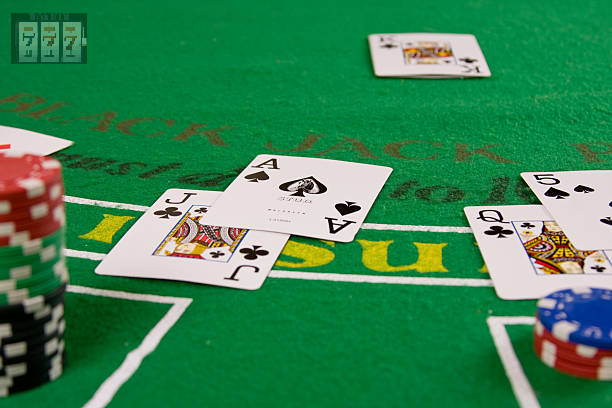
SlotLounge Casino: A Responsible Gaming Experience
At SlotLounge Casino, the commitment to providing an enjoyable and responsible gaming experience is paramount. With over 4,000 slot games, live tables, and instant-win options, players are presented with a diverse array of gaming choices. The platform offers generous promotions, including a Welcome Package of up to $15,000, making it an attractive destination for players looking to explore the online gaming world. However, SlotLounge emphasizes the importance of responsible gambling and encourages players to set limits to ensure their gaming remains a fun and safe activity.
Security is also a top priority at SlotLounge Casino. With robust payment options and a player-friendly interface, users can engage with confidence, knowing their information is secure. Furthermore, the casino provides 24/7 customer support, ensuring that players can reach out for assistance whenever needed. This level of support is integral to fostering a safe gaming environment where players can enjoy their experiences without the stresses of financial or emotional strain.
In conclusion, understanding the psychology behind gambling behavior is essential for both players and platforms like SlotLounge Casino. By recognizing the emotional, social, and cognitive factors that influence gambling, individuals can better navigate their gaming experiences. The casino remains dedicated to promoting responsible gambling, ensuring that players can indulge in their passion for gaming while maintaining a healthy balance in their lives.